A Name You Didn’t Expect in Portrait Lenses
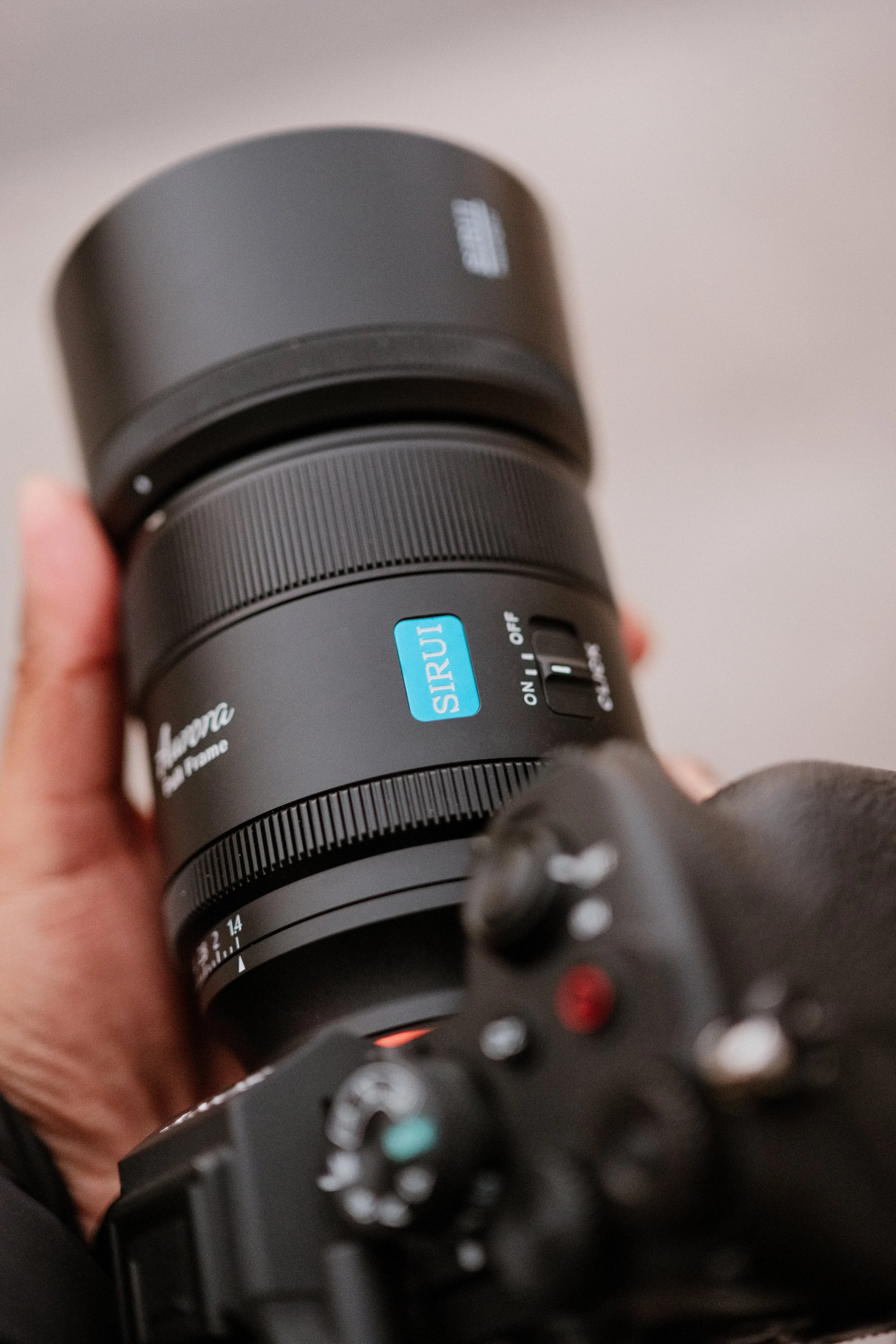
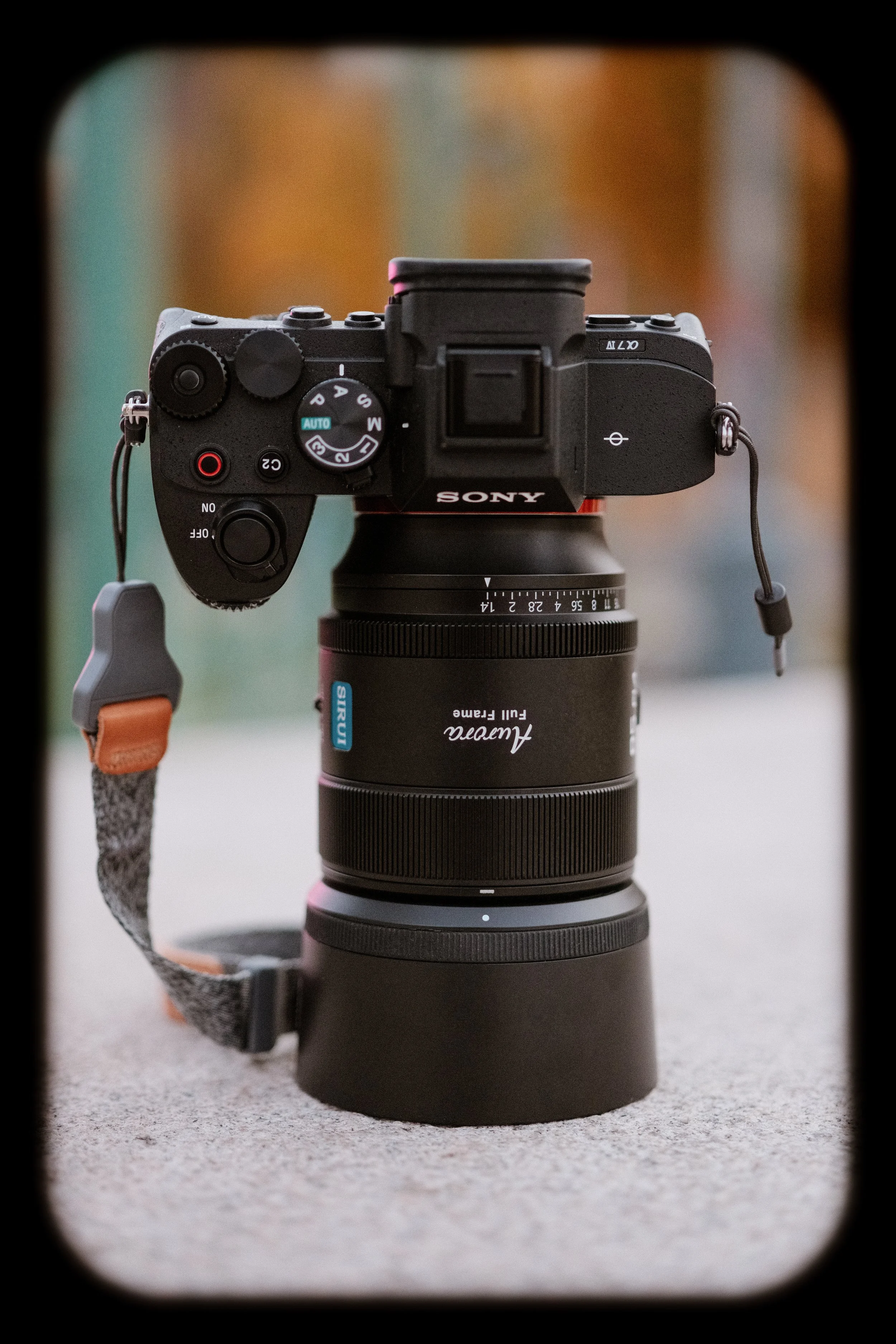
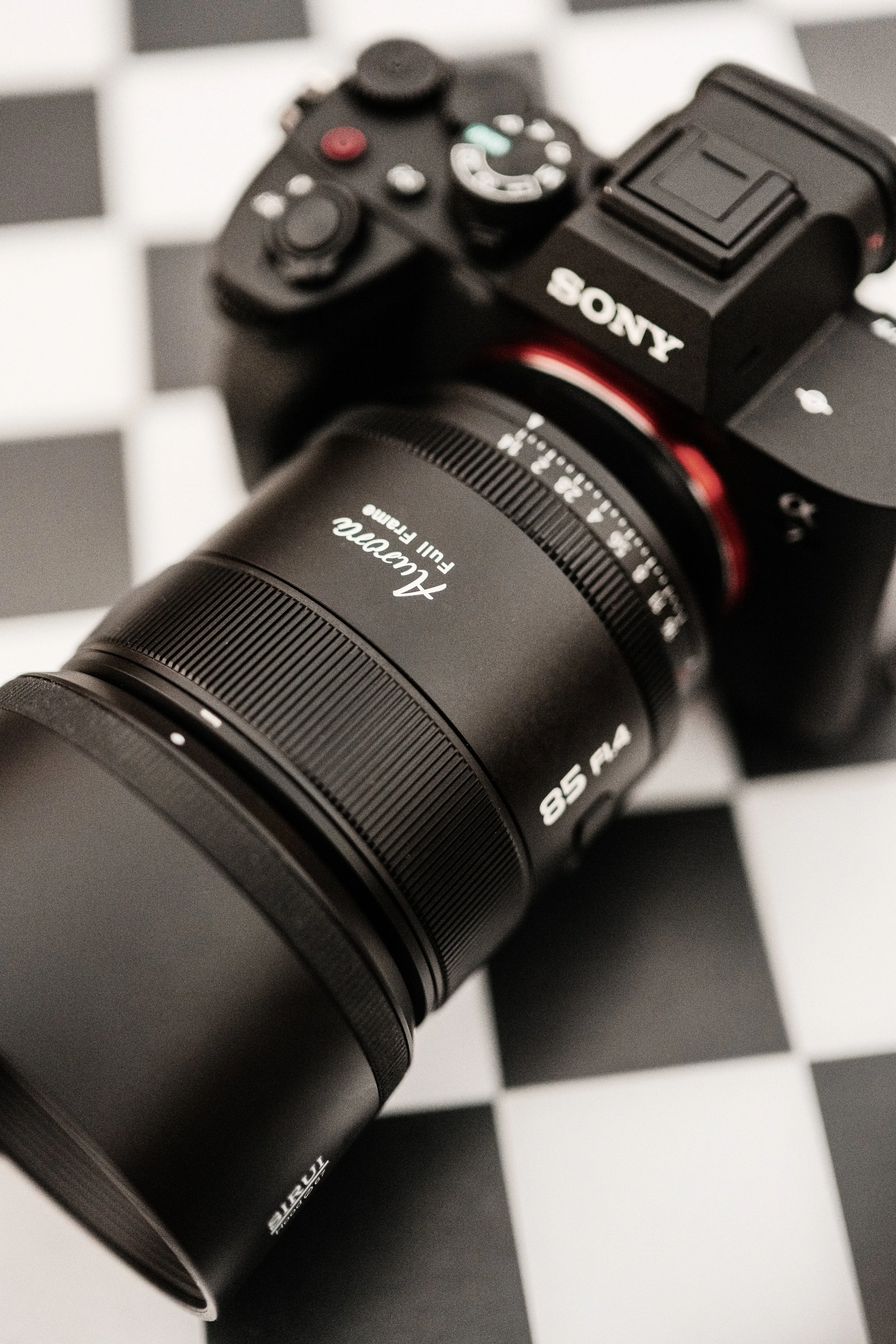
When you hear Sirui, you probably think of tripods or anamorphic lenses.
Not portrait lenses.
But with the Sirui Aurora 85mm F1.4, Sirui is stepping into a space dominated by giants, and doing it in a surprisingly confident way.
This isn’t just an experiment.
👉 It’s a serious attempt to compete in one of the most demanding focal lengths in photography.
First Impressions - Clean, Modern, Purposeful
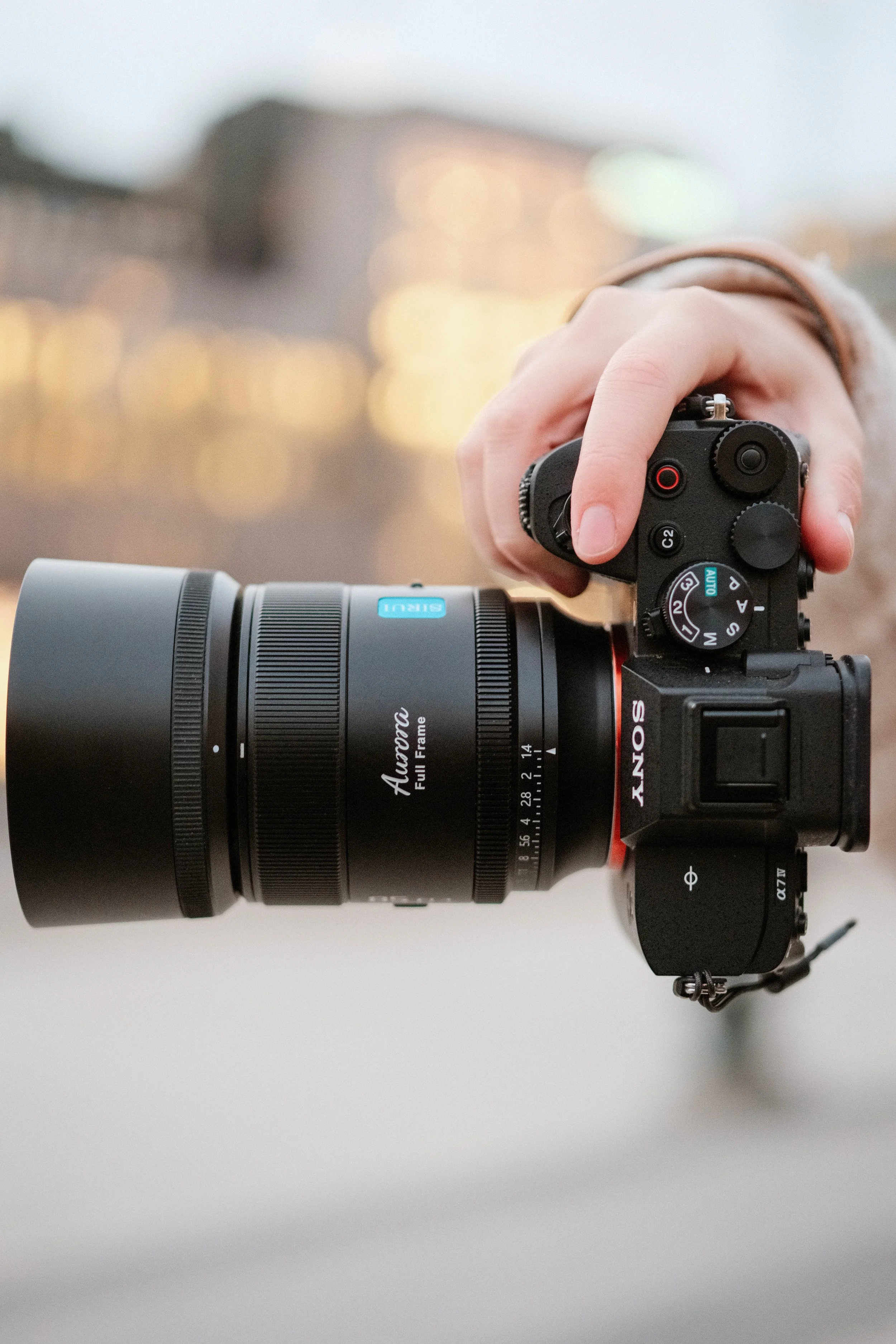
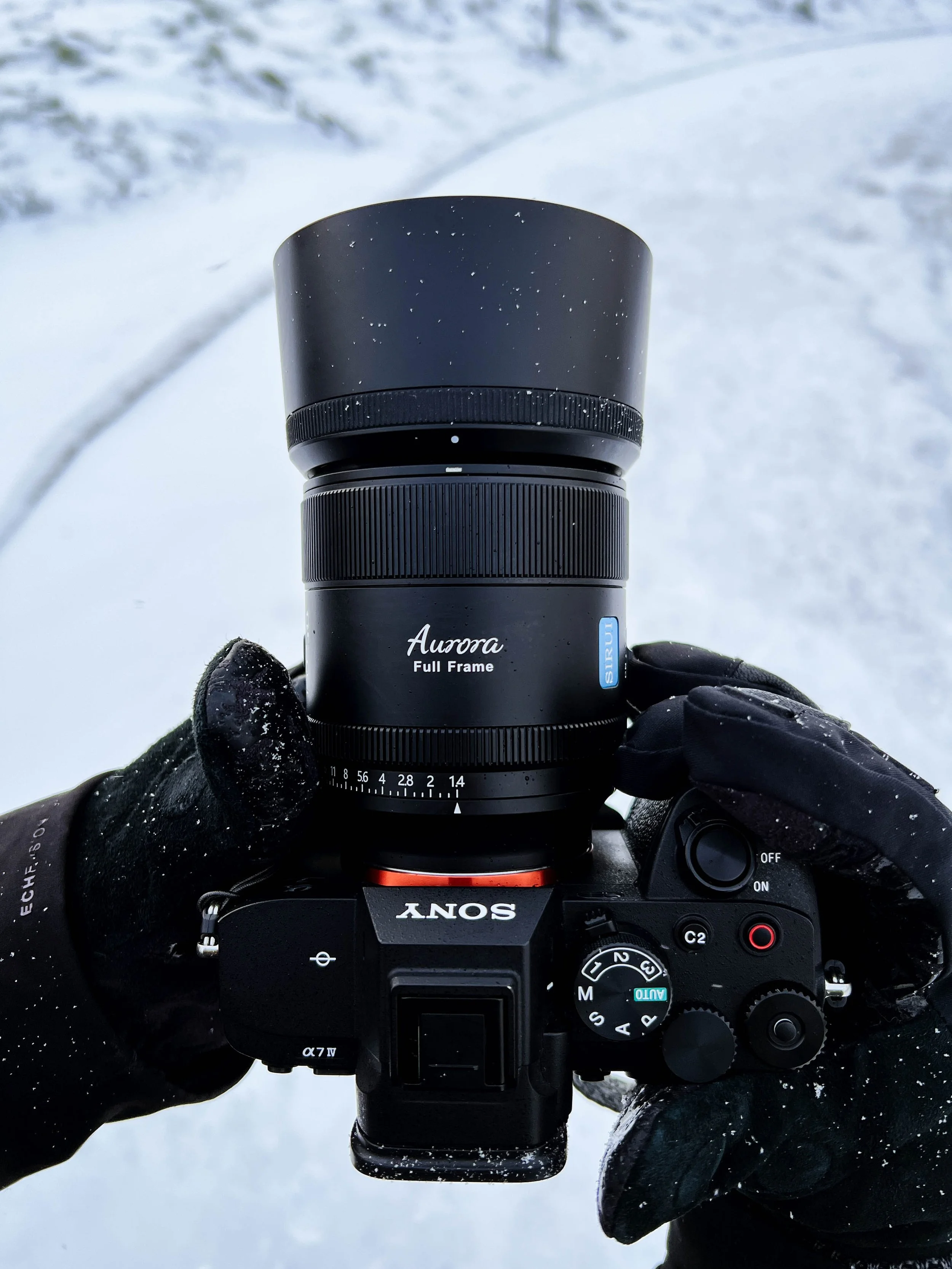
The Aurora 85mm F1.4 feels modern and minimal.
Solid construction (mostly metal components)
Clean design language
Weather resistance (depending on mount/version)
It’s not as heavy as some competitors, but still has enough weight to feel professional.
👉 A good middle ground between:
Lightweight usability
Premium build feel
Autofocus - Better Than Expected, Still Not Elite
Sirui surprises here.
Fast enough for portraits
Generally accurate
Decent eye-detection performance
But let’s be honest:
👉 It’s not competing with top-tier Sony GM autofocus.
You may notice:
Occasional hesitation
Slight inconsistency in challenging lighting
For:
Portraits → ✔️ reliable
Weddings → ✔️ usable
Fast action → ❌ not ideal
Optical Performance - Where Things Get Interesting



The Aurora 85mm F1.4 is not trying to be the sharpest lens on paper.
Instead, it focuses on rendering.
Sharpness
F1.4:
Decent center sharpness
Slight softness overall
More “gentle” than clinical
F2 - F2.8:
Noticeable improvement
Good clarity for most uses
F4+:
Sharp and consistent
More technically competitive
👉 This is not a “chart-topping” lens wide open, but it’s very usable.
Character & Rendering
This is where the lens stands out.
Smooth, slightly dreamy bokeh
Softer contrast wide open
Gentle falloff between focus and blur
👉 It leans clearly toward character over perfection
Compared to modern lenses:
Less clinical
More expressive
Slightly cinematic feel
Color & Contrast
Neutral to slightly warm tones
Softer contrast at F1.4
More punch when stopped down
Flare & Aberrations
Let’s be real:
Some chromatic aberration wide open
Flare can appear in strong backlight
Not perfectly corrected
But again:
👉 These imperfections contribute to its look rather than ruin it
The Trade-Offs
This lens has a clear identity, but also clear compromises.
Not Ultra Sharp Wide Open
If you’re expecting GM-level sharpness at F1.4, you’ll be disappointed.
Autofocus Isn’t Top Tier
Good, but not confidence-inspiring in every situation.
Optical Imperfections
CA
Flare
Slight softness
Brand Trust
Sirui is still building credibility in autofocus lenses.
What Makes It Different
This lens doesn’t try to win on specs.
It wins on feel.
👉 It gives you:
A softer, more cinematic rendering
A less digital, more organic look
A different visual signature compared to mainstream lenses
Who Is This Lens For?
This lens is perfect for:
Portrait photographers who want character
Cinematic shooters
Creators who prefer mood over perfection
Budget-conscious photographers looking for something unique
It is not ideal for:
Commercial shooters needing perfect sharpness
Fast-action photographers
Pixel peepers
Sirui’s Direction - A Quiet Shift
The Sirui Aurora 85mm F1.4 shows something interesting:
👉 Sirui is not trying to copy Sony or Sigma.
They’re trying to build identity.
And that matters.
Because in today’s market:
Many lenses look perfect
Very few feel different
Final Thoughts
The Sirui Aurora 85mm F1.4 is not a perfect lens.
But it doesn’t have to be perfect.
It’s a lens for photographers who:
Don’t chase perfection
Don’t need the fastest autofocus
Care more about how an image feels
👉 It’s an underdog, but one with personality.
And for people chasing imperfect vibe in their pictures, that’s exactly what makes a lens worth using.
