A Lens Built for One Purpose

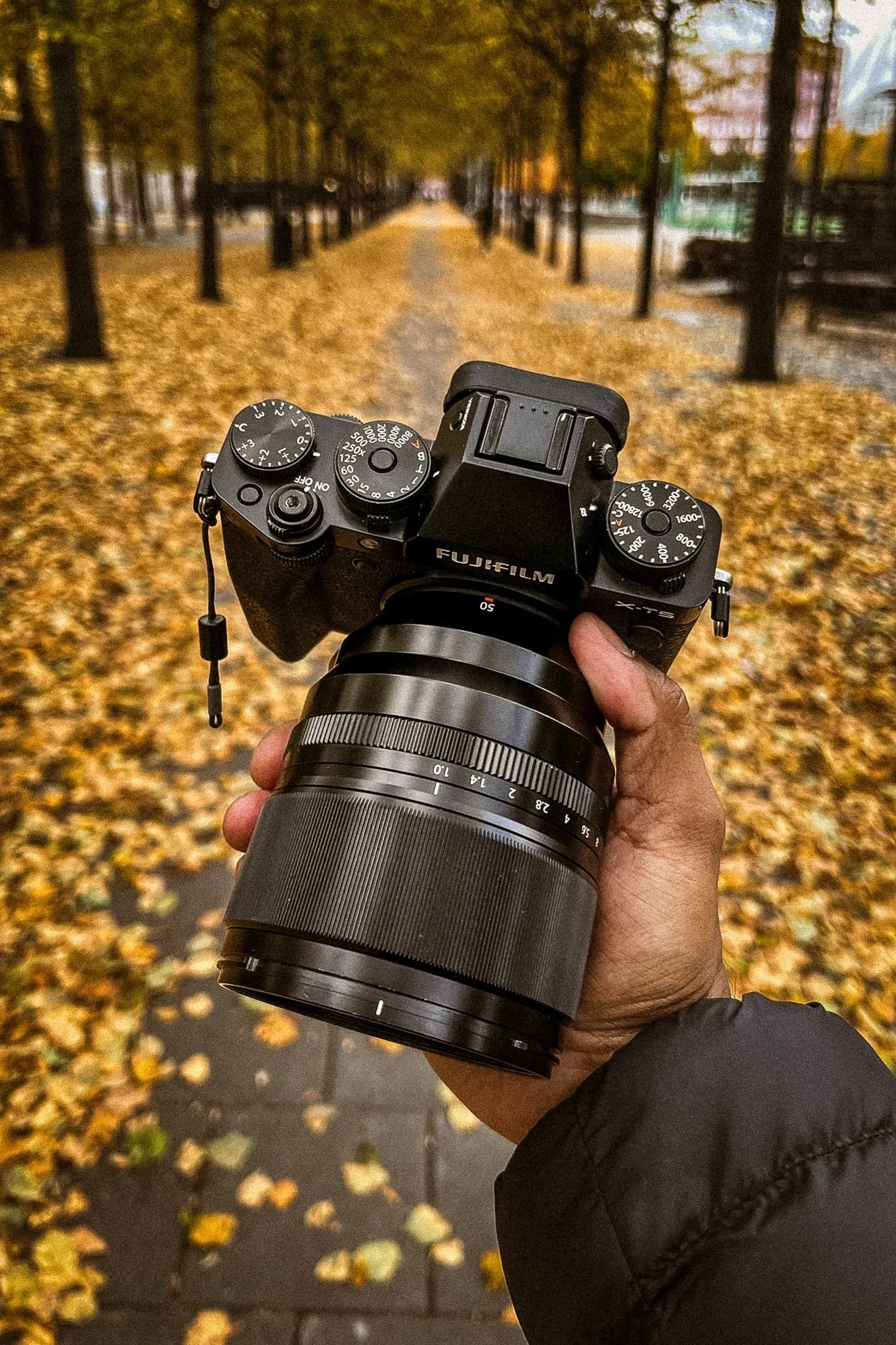
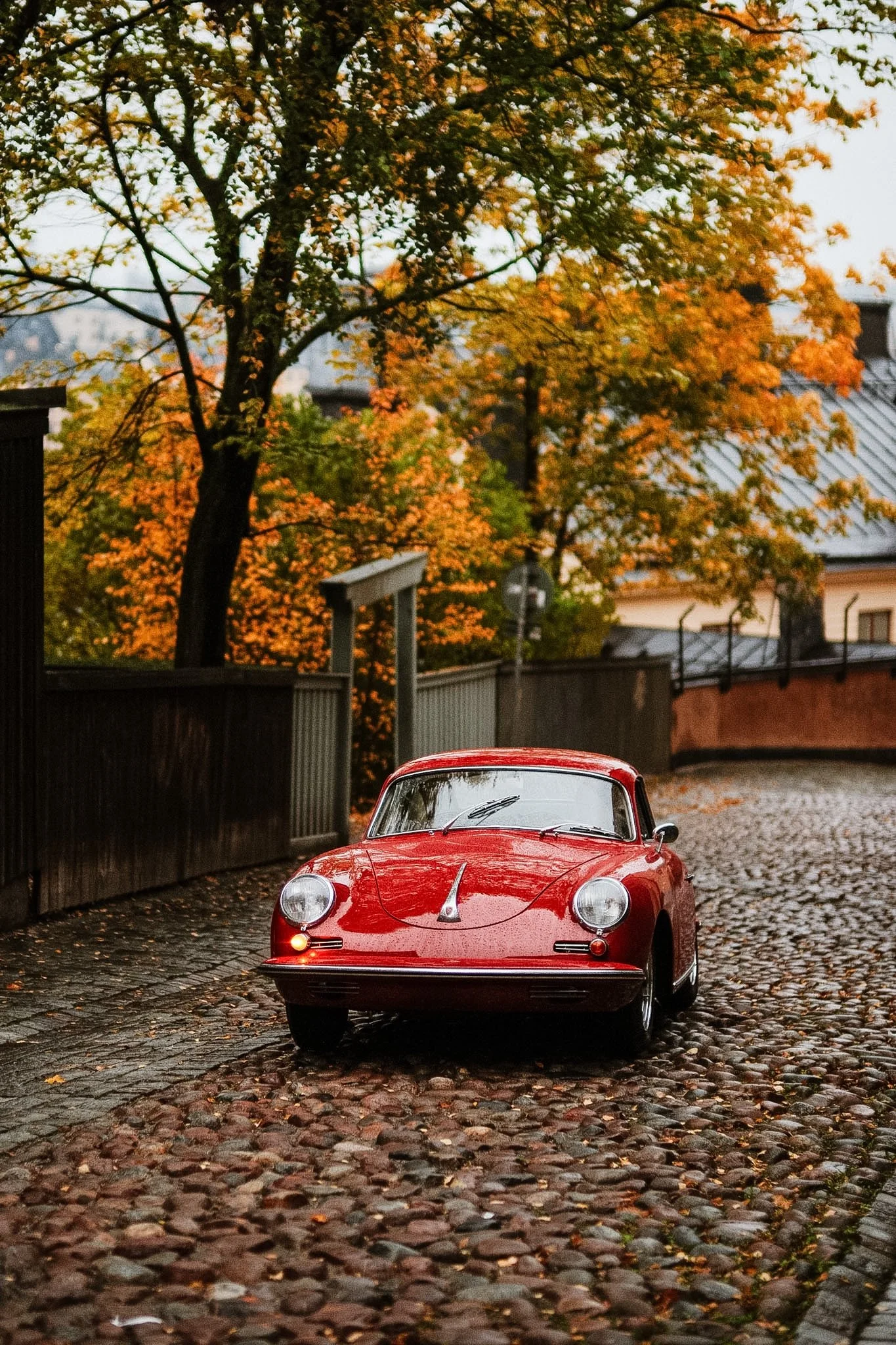
The Fujifilm XF 50mm F1.0 R WR is not a lens for everyone, and it was never meant to be.
With its extreme F1.0 aperture, premium price tag, and bold design, this lens sits in a very niche category. It’s built for photographers and videographers who want one thing above all:
👉 Maximum subject isolation and depth
On Fujifilm’s APS-C system, the 50mm focal length translates to roughly a 75mm equivalent, placing it right in the heart of portrait territory.
This is not just a fast lens.
👉 This is Fujifilm pushing the limits of what APS-C can achieve.
Key Specifications
Mount: Fuji X-mount
Focal length: 50mm (~75mm equivalent)
Aperture range: F1.0 - F16
Stabilization: No
Filter thread: 77mm
Close focus: 0.7m
Maximum magnification: 0.08x
Diaphragm blades: 9
Optical design: 12 elements in 9 groups (2 ED, 1 aspherical)
Weight: 845g (1.86 lb)
Understanding F1.0 on APS-C
Let’s address an important point.
👉 F1.0 is truly F1.0 in terms of light.
But in terms of depth of field:
F1.0 on APS-C ≈ F1.5 on full-frame (look-wise)
50mm APS-C ≈ 75mm full-frame
So effectively, you’re getting:
👉 ~75mm F1.5 equivalent (depth of field)
That’s still incredibly shallow, and one of the main reasons this lens exists.
Build & Handling - Power Comes at a Cost



This is where reality hits.
The XF 50mm F1.0 is:
👉 larger, heavier, and bulkier than any comparable Fujifilm prime in this range
At 845g, it feels closer to a full-frame lens than a typical APS-C setup.
In use:
Front-heavy on smaller bodies
Noticeably tiring over long shoots
Not discreet for street photography
However:
Build quality is excellent
Weather resistance (WR) adds reliability
Aperture ring is tactile and precise
👉 This is a professional tool, but not a casual one.
Autofocus - The Biggest Compromise
The lens uses a DC motor, and you feel it.
👉 Autofocus is slow and deliberate, not fast or snappy.
Full focus travel takes roughly 0.8 - 1 second
You can physically feel the focusing elements moving
Performance feels noticeably sluggish
Real-World Impact
Studio portraits → ✔️ perfectly fine
Controlled shoots → ✔️ usable
Weddings / street → ⚠️ inconsistent
Action → ❌ not suitable
👉 You will miss shots in fast or unpredictable situations.
For videographers:
Focus transitions are smooth
No visible focus breathing (a strong advantage)
Image Quality - Where It Earns the Title



Bokeh - The Star of the Show
This is why you buy this lens.
Extremely shallow depth of field
Creamy, smooth background separation
Strong subject isolation
👉 This is arguably the most “full-frame-like” bokeh you can get on APS-C
Hence the name:
👉 Bokeh King
Sharpness
F1.0:
Soft overall
Usable for portraits
More about mood than detail
F1.4 - F2:
Noticeable improvement
Better contrast and clarity
F2.8+:
Very sharp
Fully usable across the frame
👉 This is not a lens for clinical sharpness wide open.
Chromatic Aberration
One of the biggest weaknesses:
Strong longitudinal chromatic aberration
Purple/green fringing visible in high contrast areas
Can be distracting in real-world shooting
Flare & Ghosting
Prone to flare in strong backlight
Ghosting can appear
Requires careful positioning with light
The Trade-Offs - What You Need to Accept
This lens is all about compromise.
Heavy and bulky
Slow autofocus
Soft wide open
Strong chromatic aberration
Expensive for APS-C
What Makes It Special
Despite everything, it offers something unique:
👉 A look that no other Fuji lens can replicate
Extreme subject isolation
Medium-format-like rendering (in feel)
A distinct visual signature
Pros & Cons
Pros
Unmatched bokeh on APS-C
Unique rendering and subject isolation
Excellent build quality with weather sealing
Smooth, breathing-free video performance
Strong sharpness when stopped down
Cons
Very heavy for an APS-C system
Slow autofocus performance
Soft wide open
Significant chromatic aberration
Expensive niche lens
Who Is This Lens For?
This lens is for:
Portrait photographers chasing maximum bokeh
Creative shooters who value look over perfection
Videographers needing smooth focus transitions
It is NOT for:
Street photographers
Fast-action shooters
Travel minimalists
Those wanting a versatile everyday lens
Final Thoughts - A Lens of Extremes
The Fujifilm XF 50mm F1.0 R WR is not balanced.
It’s not practical.
It’s not fast.
It’s not perfect.
But it does something very few lenses can do:
👉 It creates images with depth, separation, and emotion that feel different
And that’s why it exists.
👉 Not for everyone, but unforgettable for the right photographer.
