Why Did Fujifilm Even Make This?
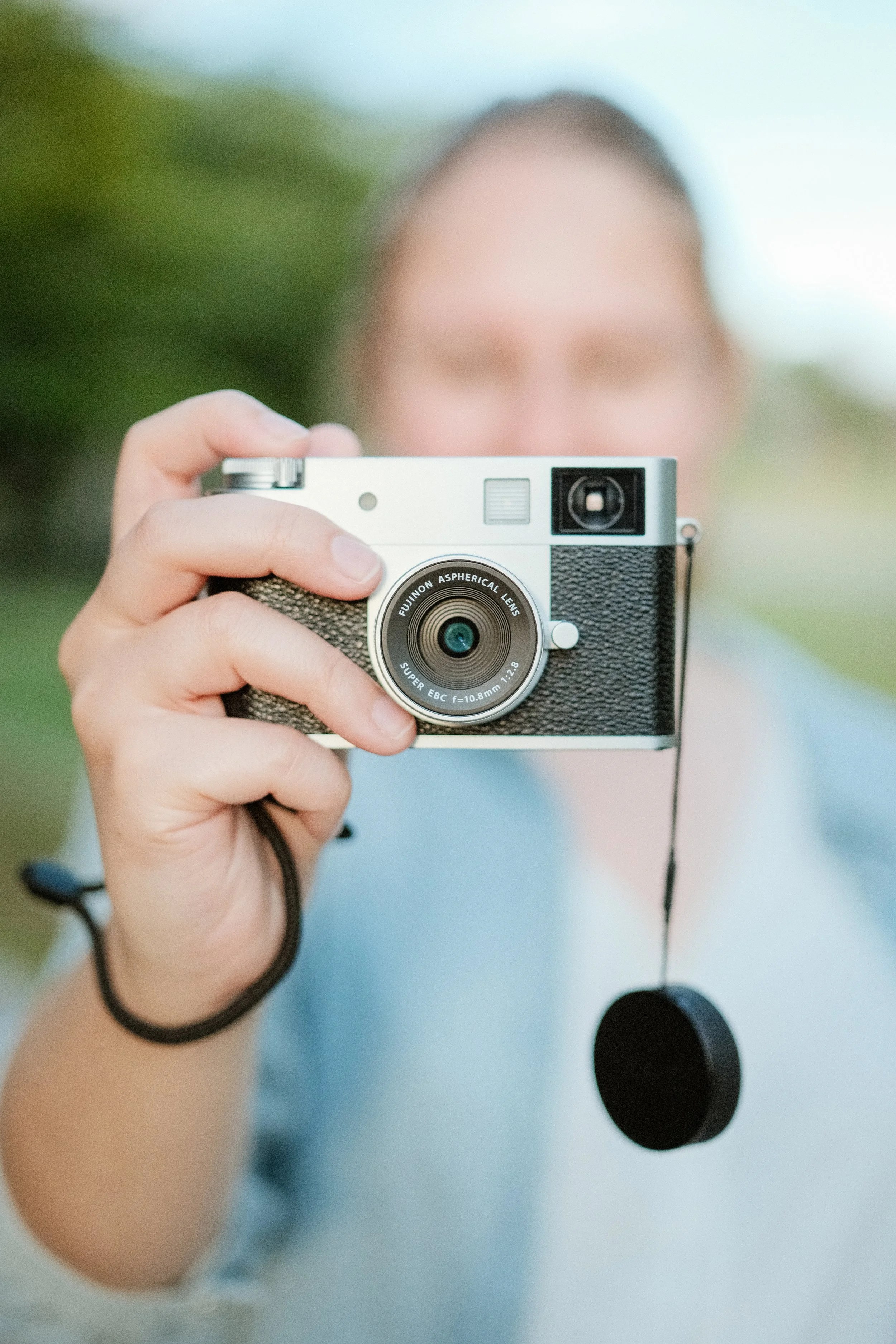
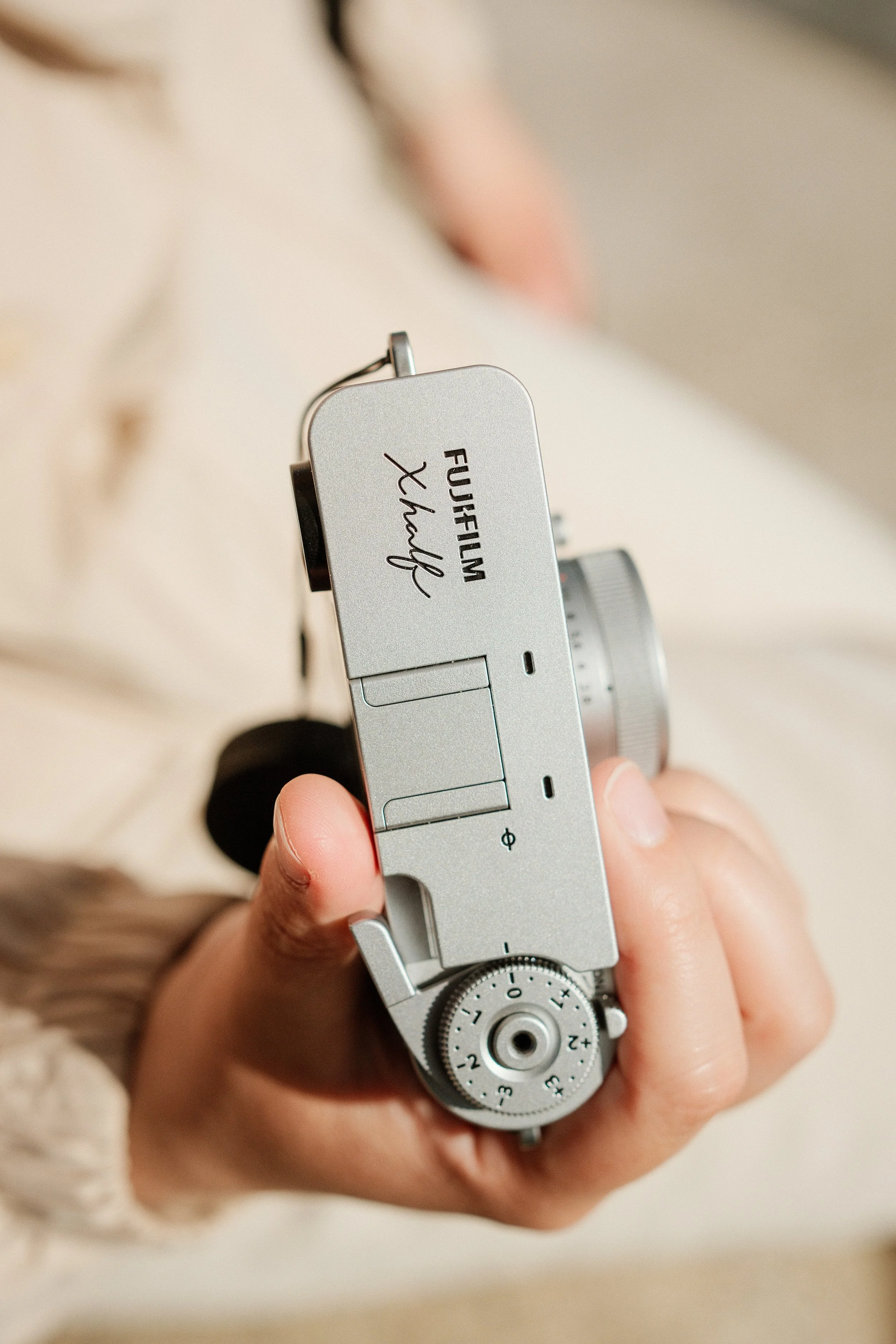
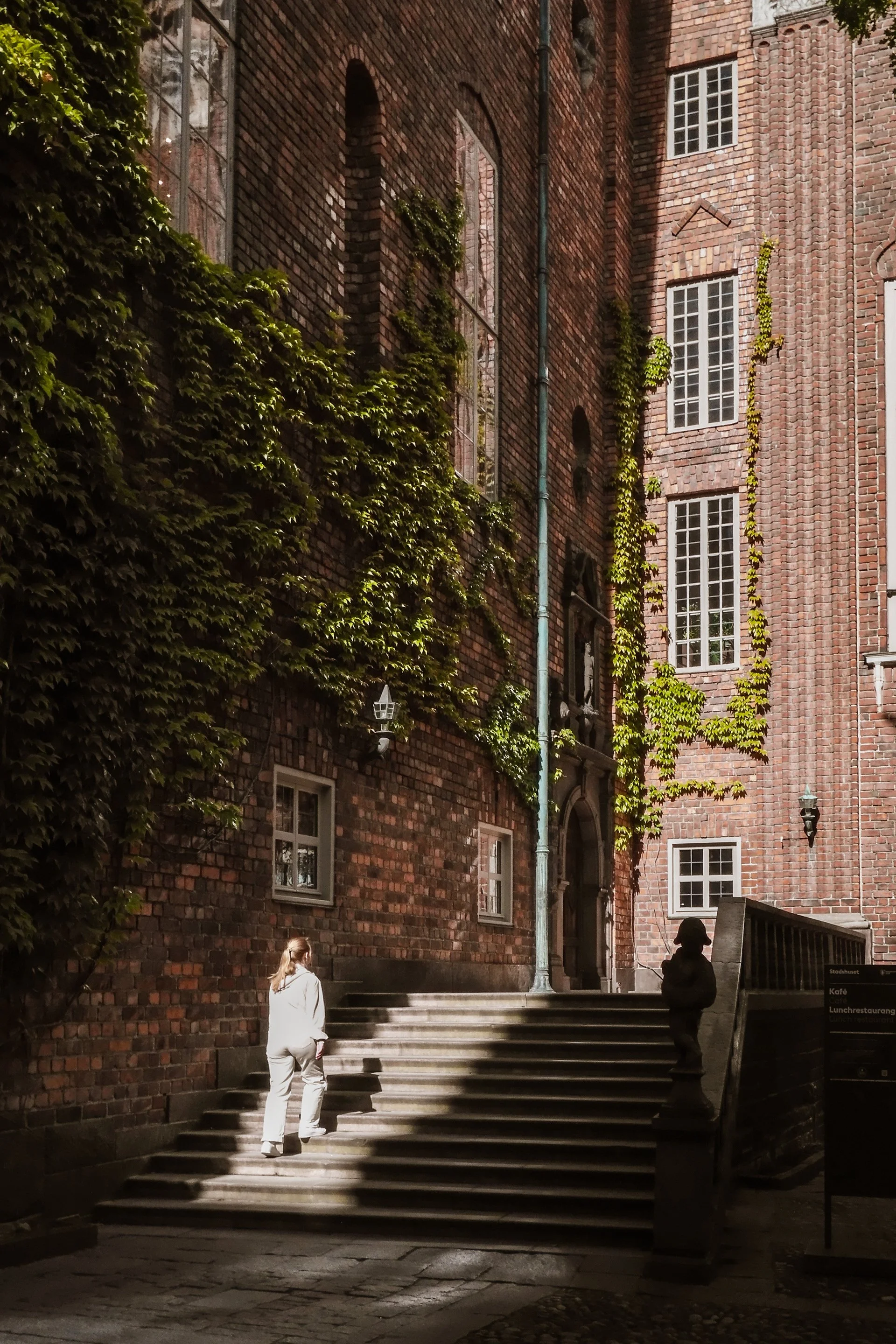
The Fujifilm X-Half is not a camera that tries to compete.
It doesn’t aim to beat full-frame cameras.
It doesn’t chase resolution or specs.
Instead, Fujifilm has done something unusual:
👉 They’ve built a camera around an idea, not performance.
That idea is simple:
👉 What if photography felt fun again?
👉 What if shooting was more about experience than perfection?
The Concept - Digital Half-Frame
The X-Half is inspired by classic half-frame film cameras.
That means:
Vertical-first shooting
More frames, less pressure
A storytelling-oriented format
Instead of focusing on:
Resolution
Speed
Technical perfection
It focuses on:
👉 capturing moments casually and frequently
This is closer to:
Film photography mindset
Social storytelling
Everyday documentation
Key Specifications (What Matters Here)
Compact digital camera (fixed lens)
Vertical shooting orientation
Small sensor (not APS-C or full-frame)
Built-in lens (non-interchangeable)
Film simulation support
Lightweight, pocketable design
👉 Expected pricing:
Positioned in the mid-range compact segment (roughly €700–€900 range depending on market positioning)
(Note: pricing reflects positioning rather than high-end specs)
Design & Handling - Built for Simplicity
The design reflects its philosophy:
Extremely compact
Lightweight
Minimal controls
This is not a camera you “operate.”
👉 It’s a camera you carry without thinking.
It’s closer to:
A notebook
A daily journal
Rather than a professional tool.
Image Quality - Not the Point
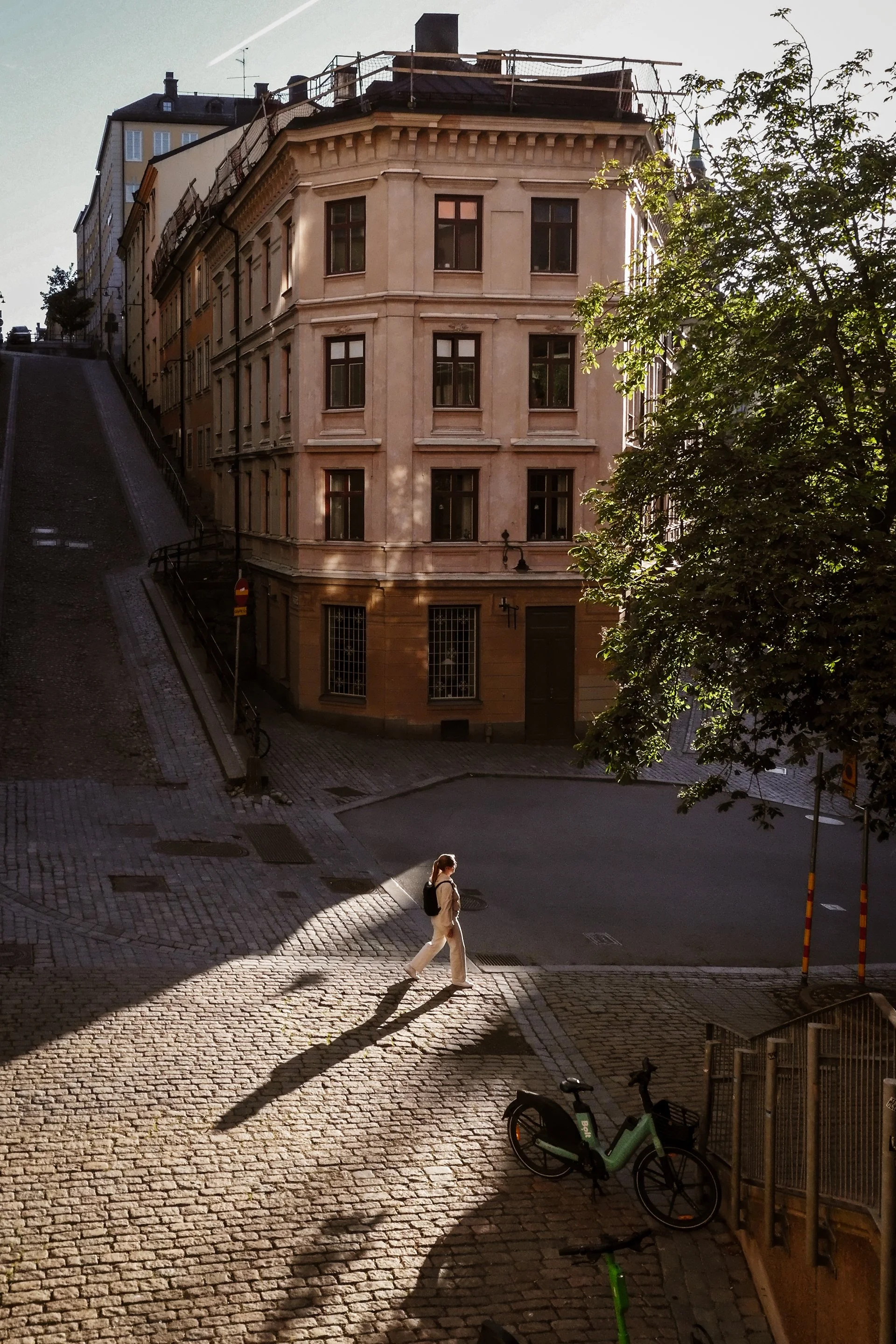


Let’s be honest.
This camera is not about image quality leadership.
Smaller sensor → less dynamic range
Limited low-light performance
Less detail compared to APS-C or full-frame
But that’s intentional.
👉 The goal is not perfection.
👉 The goal is consistency and ease.
You trade:
Technical quality
For:
Accessibility
Speed of use
Frequency of shooting
The Real Purpose - Changing Behavior
This camera exists to solve a problem most photographers don’t talk about:
👉 We shoot less when gear becomes complicated
The X-Half removes:
Lens choices
Complex settings
Technical pressure
And replaces them with:
👉 a frictionless shooting experience
You don’t overthink, you just shoot.
Who Is This Camera For?
This is where things become very clear.
It’s for:
Everyday storytellers
Street photographers who want something ultra-light
People coming from film
Creators who prioritize experience over perfection
Social/documentary shooters
It’s NOT for:
Professional photographers needing high performance
Low-light shooters
People who want interchangeable lenses
Spec-driven users
The Trade-Offs - And They Are Significant
This camera makes bold sacrifices:
Small sensor limitations
Limited dynamic range
Weak low-light performance
Fixed lens (no flexibility)
Not suited for professional work
👉 These are not flaws.
👉 They are design decisions.
The Niche It Belongs To
The X-Half sits in a very specific category:
👉 Experience-first cameras
Similar in spirit to:
Film cameras
Fujifilm X100 series (but even simpler)
But even more extreme in its philosophy.
It’s not competing with:
Sony
Canon
High-end Fujifilm bodies
👉 It’s competing with:
Your phone
Your motivation to carry a camera
The Bigger Picture - Why This Camera Matters
Fujifilm understands something important:
👉 Not everyone wants to be a “photographer” all the time.
Sometimes, people just want to:
Capture
Remember
Document
Without thinking about:
Settings
Gear
Perfection
The X-Half exists for that mindset.
Pros & Cons
✅ Pros
Extremely compact and portable
Simple, enjoyable shooting experience
Encourages frequent photography
Film-like approach to storytelling
Unique concept
❌ Cons
Limited image quality
Poor low-light performance
Fixed lens restrictions
Not suitable for professional work
Niche appeal
Final Thoughts - Not a Camera for Everyone
The Fujifilm X-Half is not trying to replace your main camera.
And it shouldn’t.
It’s a secondary tool.
A companion.
A creative reset.
For some people, it will feel unnecessary.
For others, it will completely change how often they shoot.
👉 And that’s the real question:
Do you want better photos, or do you want to take more photos?
Because this camera is clearly designed for the second.
